


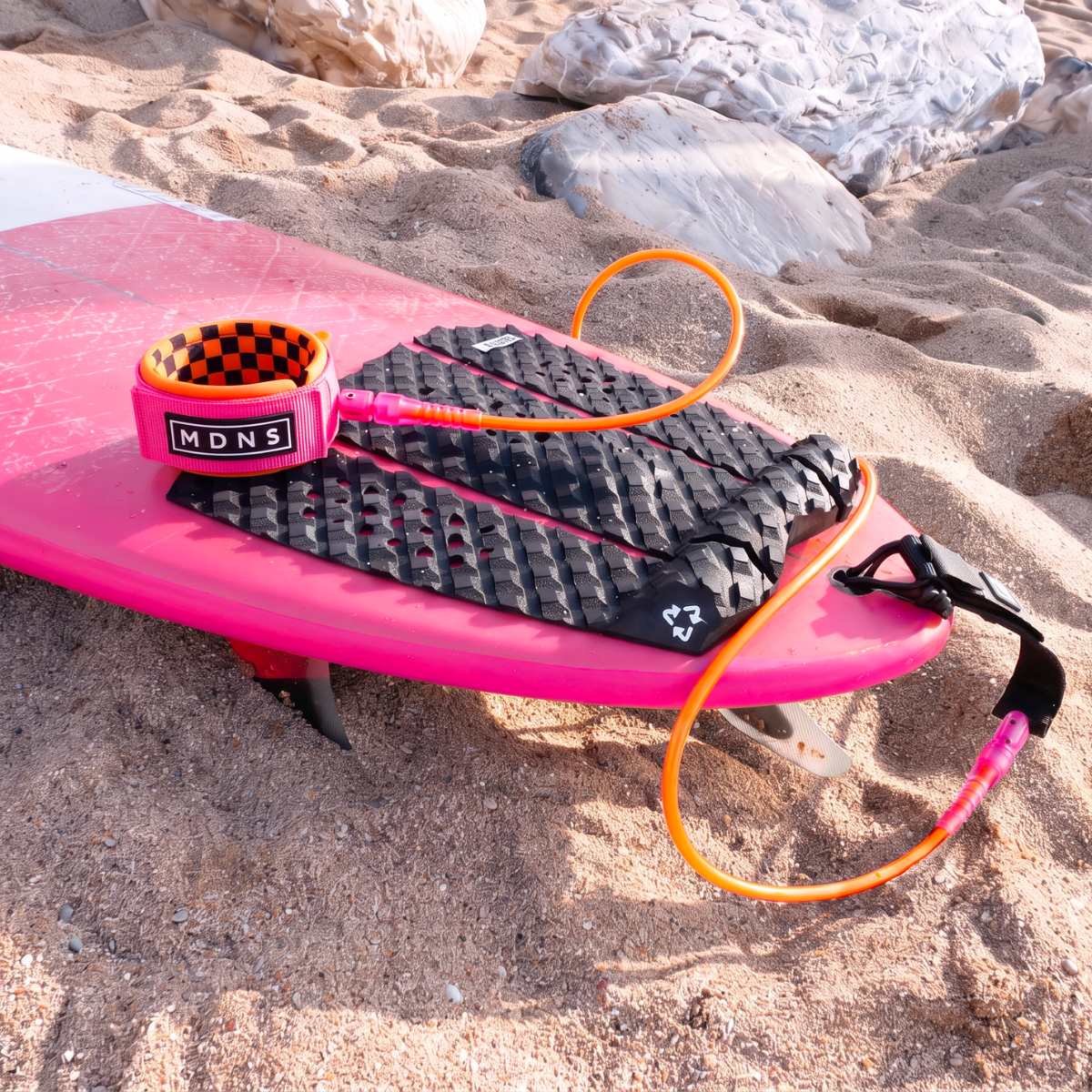

Classic EPS softboards
Discover the MDNS Surf EPS Classic softboards, a selection of foam surfboards with an EPS core. This construction uses expanded polystyrene to form the board’s internal structure. Compare the dimensions, volumes, shapes, and features of the available models to choose a softboard suited to your level and surfing conditions.
See more
What is EPS Classic construction?
EPS stands for expanded polystyrene, a rigid foam made of expanded beads that’s used, among other things, to make the core of some surfboards. Its low density makes it possible to build relatively lightweight structures, but the finished board’s weight also depends on the other materials and components used.
In the MDNS Surf range, EPS Classic identifies a family of softboards. The name alone doesn’t determine their stiffness, durability, or maneuverability: these features should be checked on each product page.
What does the EPS core do in a foam surfboard?
The EPS core is part of the board’s internal structure. It helps give the board its shape and volume, while the other construction elements contribute to its stiffness, finish, and durability.
A softboard’s buoyancy mainly depends on its total volume and weight. An EPS core alone therefore doesn’t guarantee that a board will be more buoyant or easier to surf than another.
To compare two models, it’s best to look at their dimensions, volume in liters, weight when listed, and construction features.
How to choose an EPS Classic softboard?
Length, width, and volume
Length influences the board’s surface area and overall behavior, among other things. Width, thickness, and volume distribution also affect stability and how the board feels when paddling.
A generous volume generally makes a board more buoyant, but it’s not the only factor to consider. Two softboards with the same volume can perform differently because of their shape and dimensions.
Shape and surfing conditions
Shape refers to the board's overall form. Its outline, rocker and rails influence its glide, turns and how it responds in the waves.
For small or weak waves, some shapes make it easier to catch waves and get gliding. Others may be better suited to turns or different conditions. The right choice depends on the model, the surfer's skill level and the waves they usually encounter.
Construction and features
Before choosing an EPS Classic softboard, check the information on its product page: materials, any internal reinforcements, fin setup and included equipment.
These details make it easier to compare models accurately, without assuming that every board in the same family has exactly the same features.
EPS Classic, EPS Stringer or HD Core: what are the differences?
MDNS Surf offers several construction families for its foam boards. The names EPS Classic, EPS Stringer and HD Core distinguish different ranges in the catalog.
A stringer generally refers to a lengthwise reinforcement built into a board's structure. However, to understand the exact differences between the constructions offered by MDNS Surf, refer to the materials and specifications for each model.
It would therefore be too simplistic to assume that one construction is always stronger, lighter or higher-performing than another without comparing their technical specifications.
Discover MDNS Surf foam surfboards
The EPS Classic models are part of the MDNS Surf softboards collection, which brings together different foam boards according to their construction, shape and intended use.
To find the model that suits your surfing, compare the dimensions, volume and features of the boards available. L's goal is to choose a softboard suited to your build, experience and the conditions you surf most often.
Filters
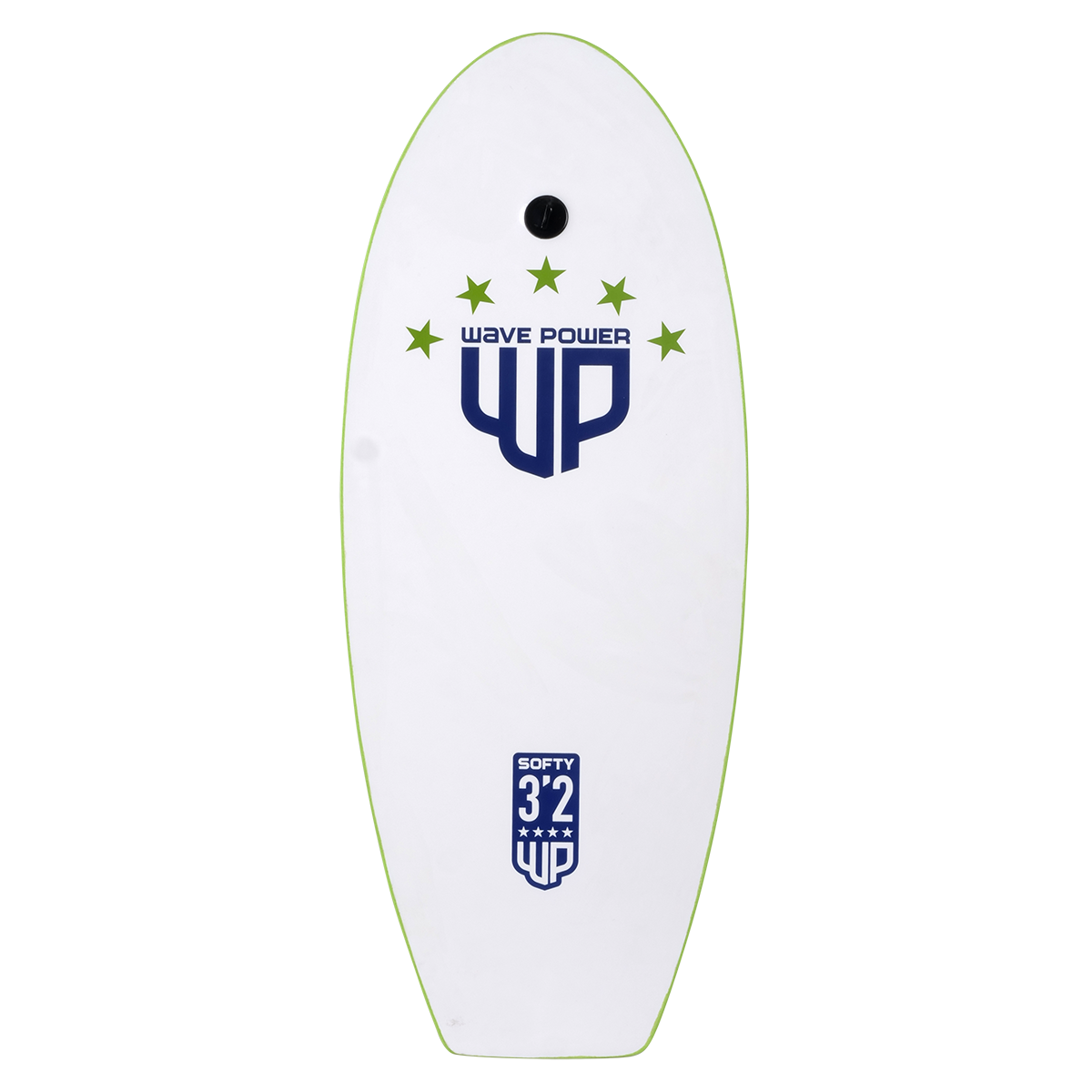
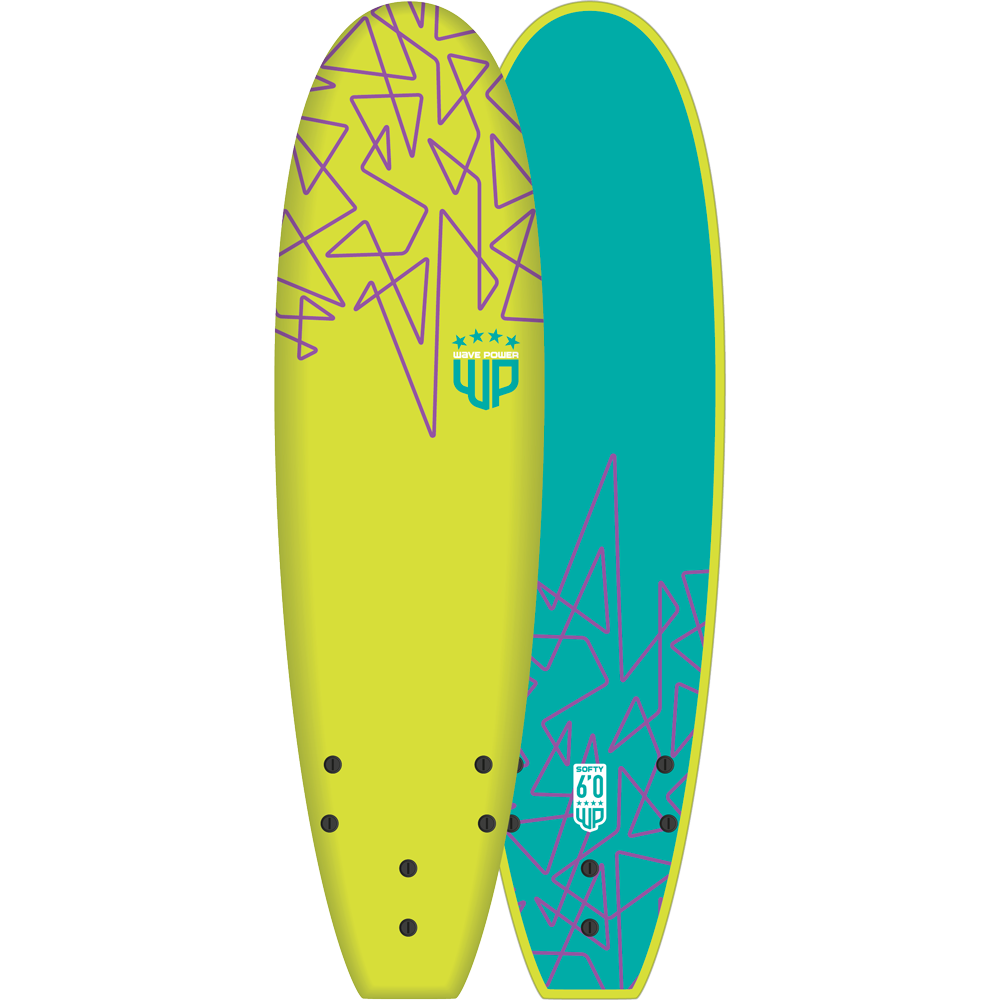
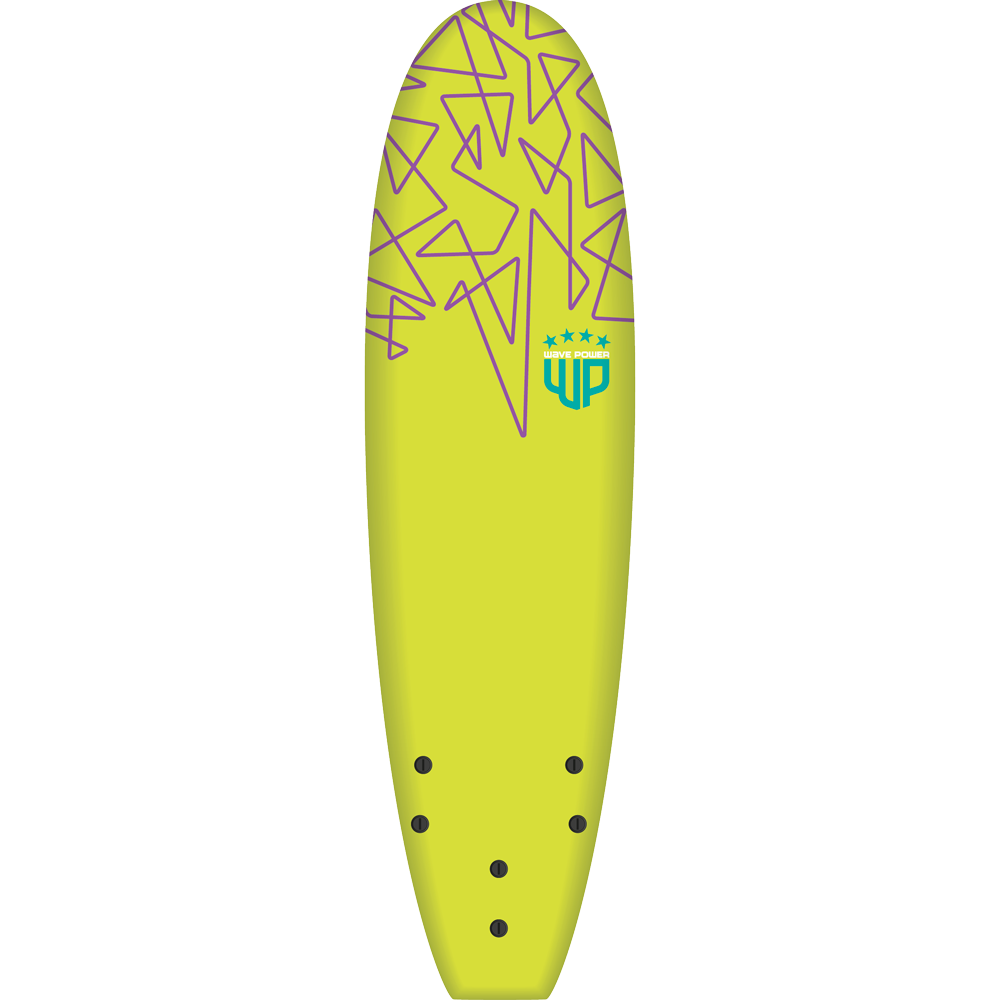
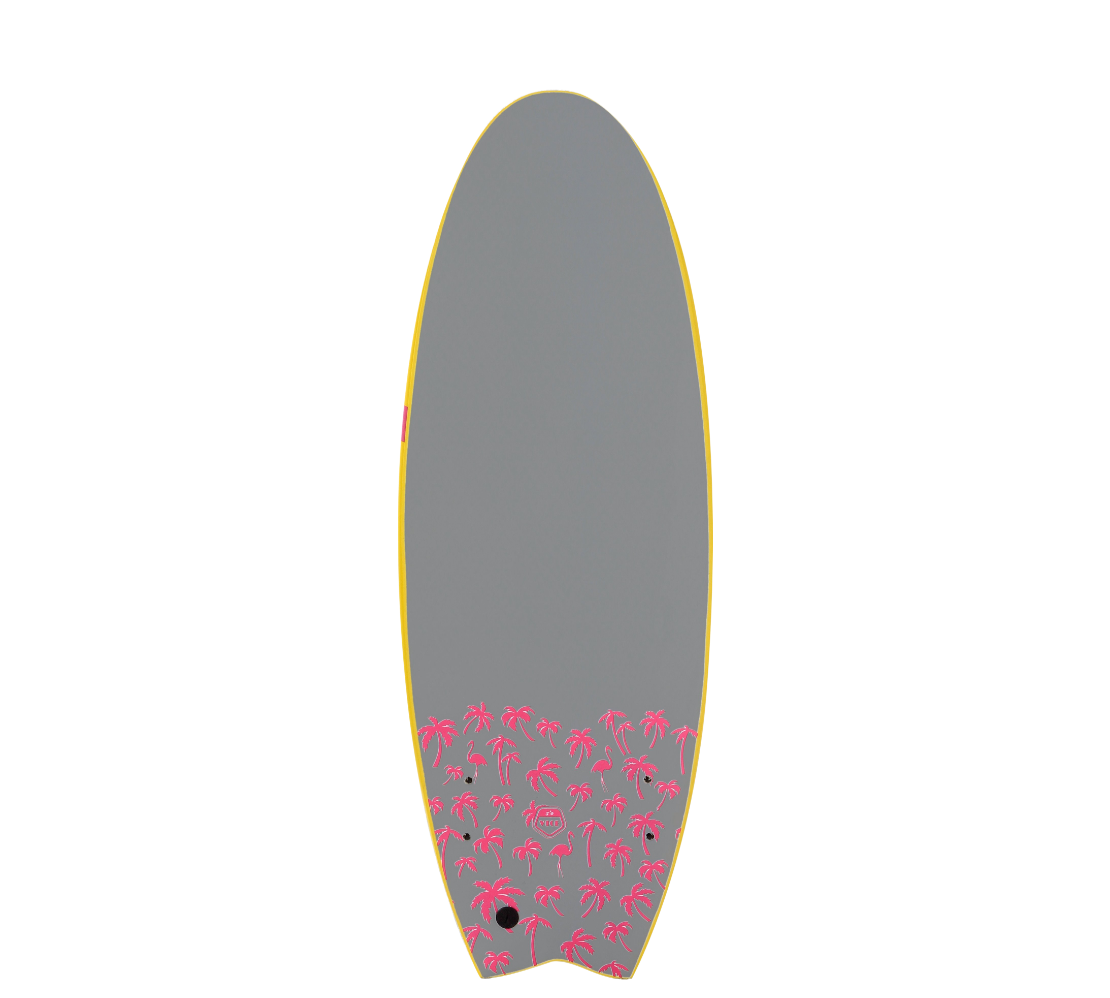
4 products
FAQ
What is a Classic EPS softboard?
An EPS Classic softboard is a board built around an EPS foam core, a lightweight material that boosts buoyancy and makes paddling easier. This construction preserves the comfort and user-friendly feel of a softboard, with performance suited to everyday sessions.
What is a Classic EPS softboard?
An EPS Classic softboard is a foam surfboard from MDNS Surf’s EPS Classic range. EPS stands for “expanded polystyrene,” a material used to make the inner core of some surfboards. The board’s overall feel also depends on its outer layers, any reinforcements, its shape, and the model’s dimensions.
Who are EPS Classic softboards for?
The choice depends more on each board’s features than on the EPS Classic name alone. Depending on their length, volume and shape, the models can suit different needs. To find out whether a softboard is right for you, consider your skill level, build, how often you surf and the waves you ride.
What are the benefits of an EPS core for a softboard?
Expanded polystyrene is a low-density material used to make the core of many surfboards. It provides a relatively lightweight internal structure. However, the weight, stiffness, buoyancy, and strength of the complete board also depend on its volume and the other materials used.
What size of Classic EPS softboard should you choose?
The right size depends on your weight, skill level, and usual surf conditions. A longer, higher-volume board can make paddling and catching waves easier, while a more compact model can offer a different feel and more maneuverability. Compare the length, width, thickness, and volume in liters listed on the product pages.
What’s the difference between Classic EPS and EPS Stringer?
EPS Classic and EPS Stringer refer to two ranges of MDNS Surf softboards. The term “stringer” generally refers to a longitudinal reinforcement built into a board’s structure. However, the exact differences in stiffness, weight, or performance between MDNS models should be checked against their technical specifications. Label alone isn’t enough to conclude that one construction is always better.
Is a Classic EPS softboard suitable for small waves?
Some EPS Classic models can work well in small waves, especially when their volume and shape make paddling easier and help them glide in weaker conditions. It depends on the board, though. Check its dimensions and specs rather than relying on its EPS construction alone.
What’s the difference between the volume and EPS construction of a softboard?
Volume refers to the space occupied by the board and is generally expressed in liters. It plays an important role in buoyancy. EPS construction, on the other hand, refers to the material used for the core. Two softboards with an EPS core can have very different volumes, dimensions, and characteristics.