


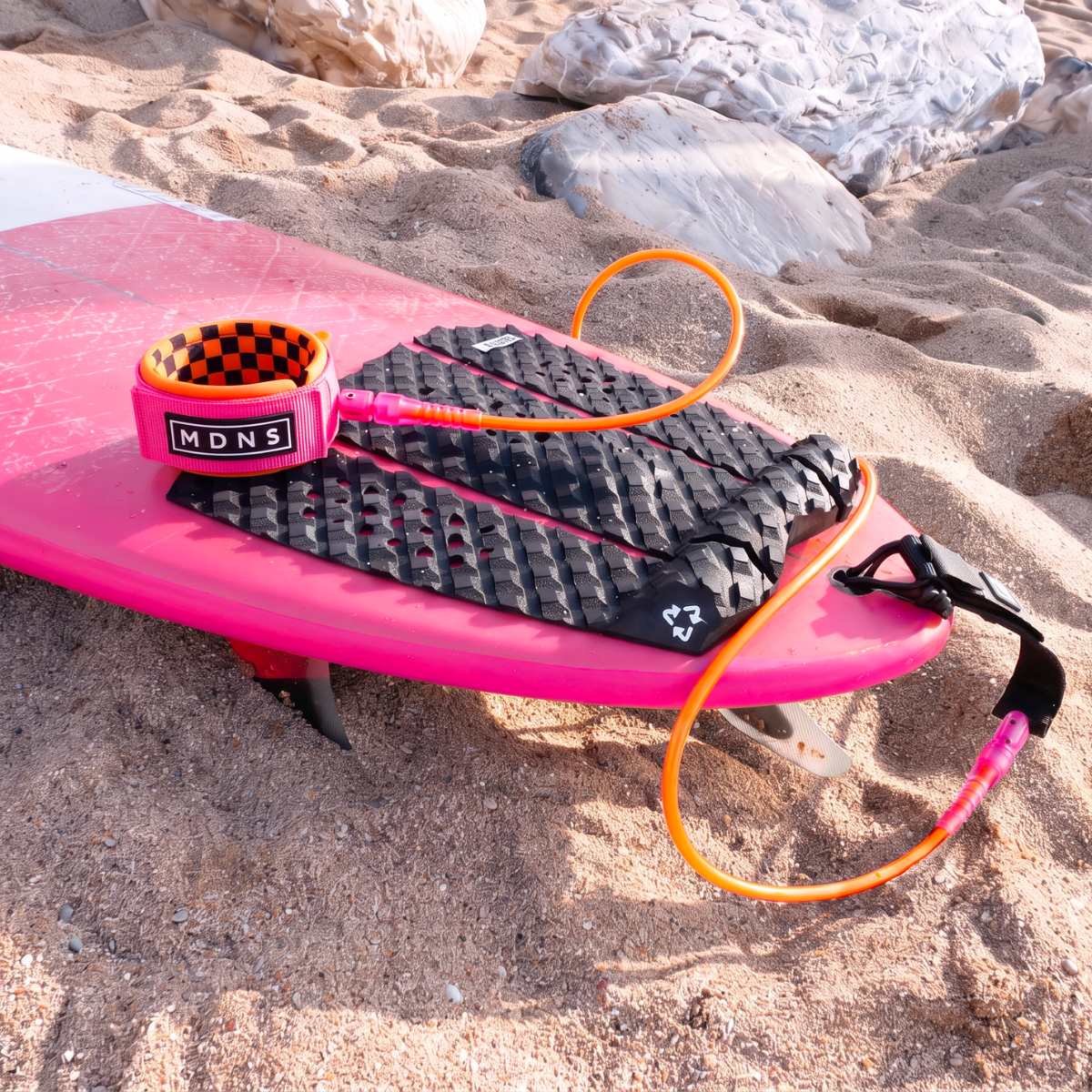

Performance softboard
Discover MDNS Surf performance softboards, high-performance foam surfboards for surfers looking to develop a more technical, dynamic style of surfing. Depending on their shape, volume and construction, these models let you work on controlling your lines, turns and maneuvers. Compare their features to choose a board suited to your level and the waves you surf.
See more
Who are performance softboards for?
A performance softboard may suit a surfer who catches waves regularly, has mastered their take-off, can ride along the wave face and is starting to link turns with control. It's also for experienced surfers looking for a different feel from a foam board.
Unlike softboards designed mainly for learning, a performance soft-top surfboard may have a shape that's more focused on maneuverability and turning.
However, the level of skill required varies from one model to another. A compact board, one with low volume, or one with a demanding shape won't necessarily suit a surfer who's just starting to work on their first turns.
If your main goal is still to improve your wave reading and first maneuvers, also check out our intermediate softboards, another option to help you progress at this stage.
How does shape affect a softboard's performance?
A softboard's performance doesn't depend on its length alone. Several features interact to influence paddling, gliding, grip and turning.
Volume and dimensions
Volume, measured in liters, contributes to the board's buoyancy. A higher volume generally makes paddling and catching waves easier, while a lower volume can change how the board feels underfoot and how it turns.
Width, thickness and volume distribution also matter. Two softboards of the same length can behave differently. For more technical surfing, it's important to find a balance between maneuverability and the ability to catch enough waves.
Rocker and rails
The rocker is the board's longitudinal curve. It affects how the board glides, turns and adapts to the shape of the wave. A relatively flat rocker can help with gliding in certain conditions, while a more pronounced curve may work well on hollower waves, depending on the overall shape.
The rails, meaning the board's side edges, influence how it performs when riding along the wave face. Their shape and volume affect grip and the transition between turns.
Fins and changing direction
Fins play a part in directional stability, grip, and how the board feels during maneuvers. Depending on the model, their number, size, and positioning can affect the board's performance.
Before choosing a performance softboard, check the fin setup listed on its product page and whether the fins can be changed.
What types of waves can you surf with a performance softboard?
Your choice depends as much on the usual conditions as on your skill level. In small or weak waves, a board with plenty of planing surface and suitable volume can help you build speed. As the waves get hollower or faster, other shape features may be worth considering for better control through turns.
So there's no one performance softboard that's ideal for every condition. Consider length, volume, rocker, and fins together, based on the waves and maneuvers you're looking for.
Performance softboard or hardboard?
A performance softboard and a hardboard can suit similar surfing goals, but they don't necessarily feel the same underfoot. Construction, weight, stiffness, and shape all influence how the board responds under pressure.
A foam-covered construction alone does not guarantee a more forgiving feel or better impact resistance. Check the technical specifications and usage precautions for each model.
The choice between these two types of boards depends above all on your preferences, experience, and the conditions you want to surf in.
How to choose your MDNS Surf performance softboard?
To choose a high-performance foam surfboard suited to your surfing, start by identifying the feel you're after: building speed more easily, improving control through turns, or exploring more committed maneuvers.
Then compare the dimensions, volume, shape, construction, and fins listed on the product pages. A board suited to your ability and surfing conditions will generally do more for your progress than a model chosen solely for its shorter dimensions.
You can also browse the full range of MDNS Surf softboards to compare different types of foam boards, or check out our surfing buyer's guide to explore the selection criteria in more depth.
Filters
4 products
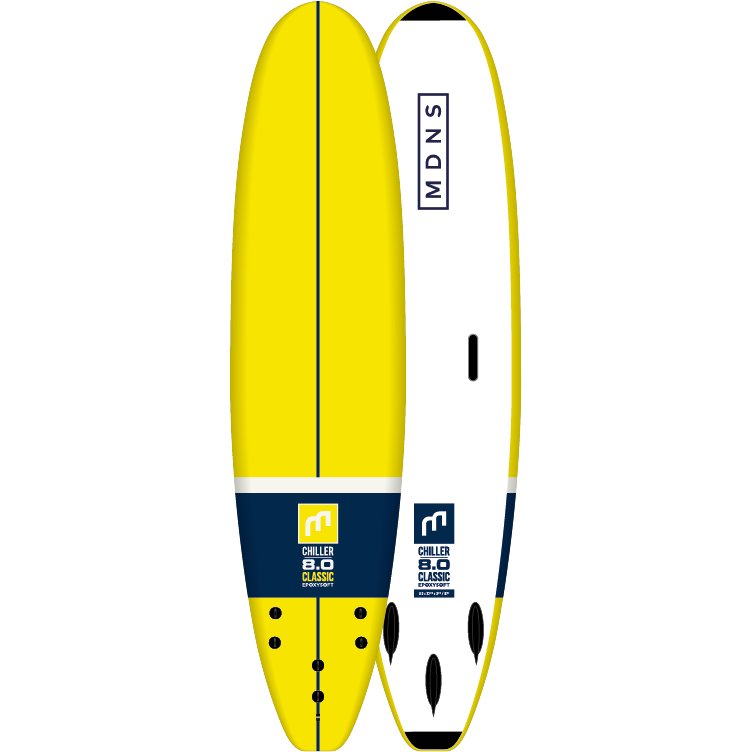
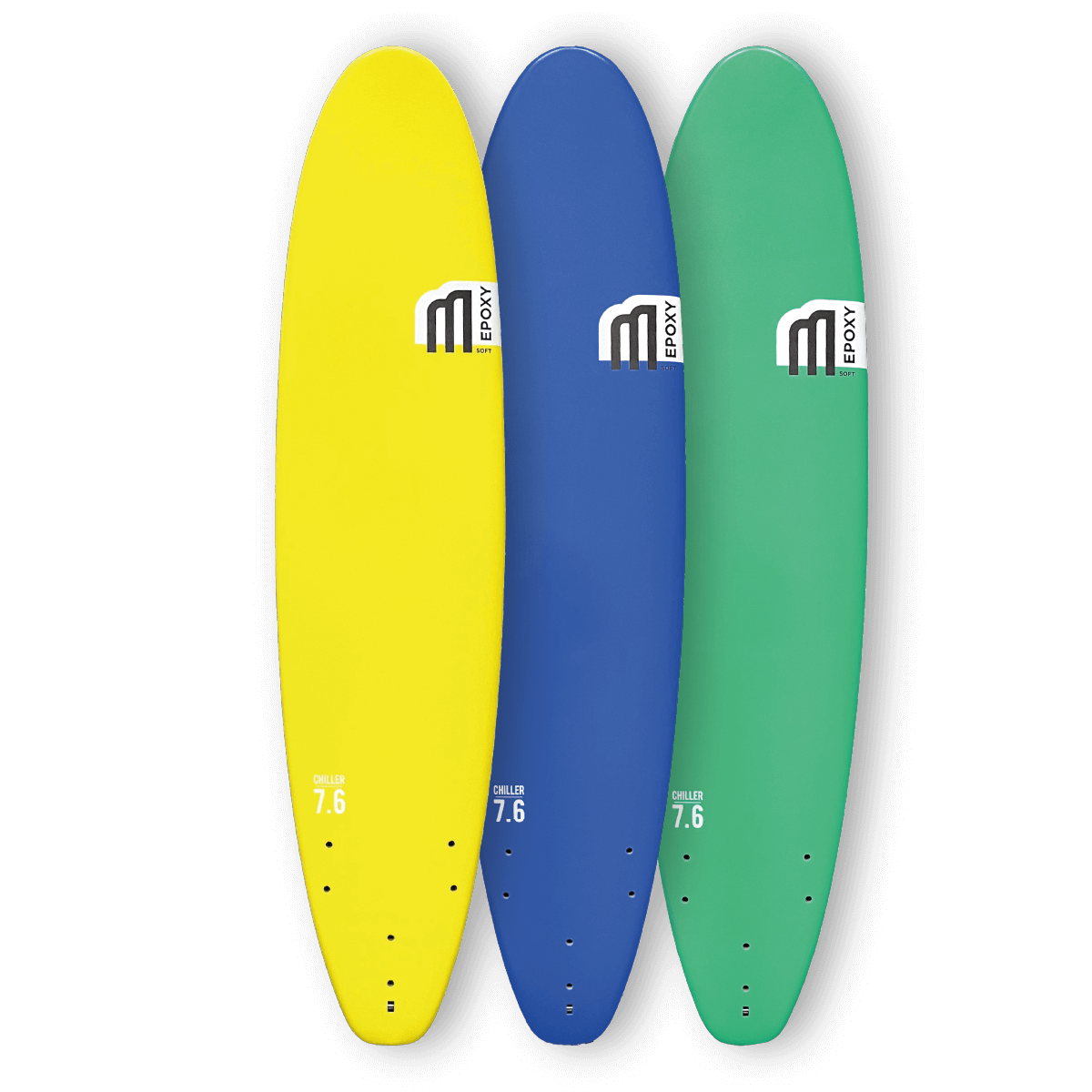
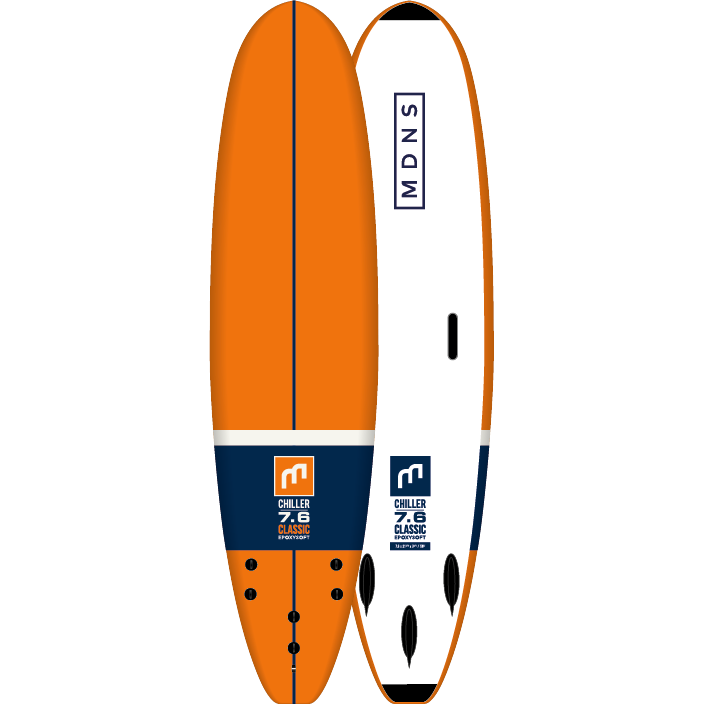
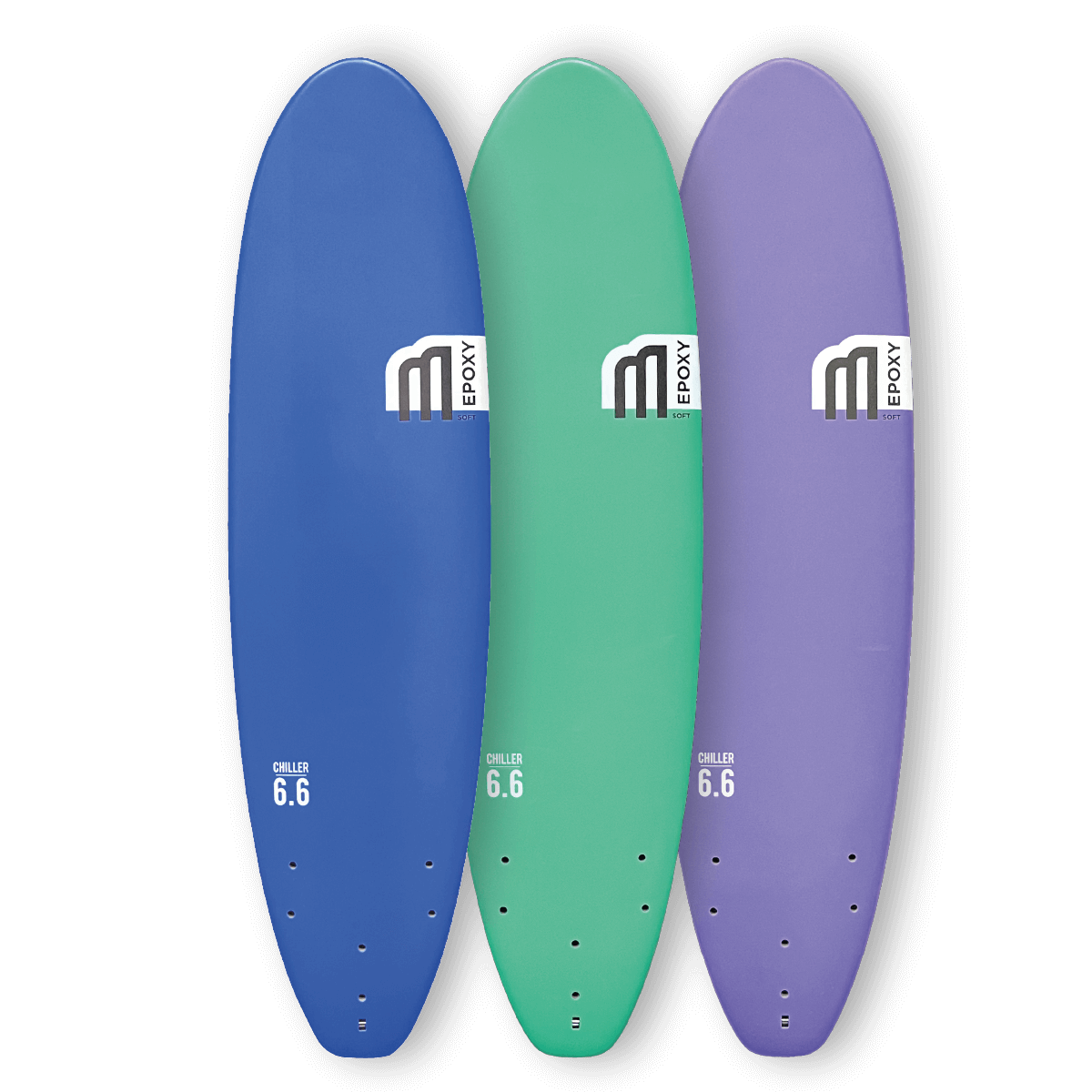
FAQ - Performance Softboards
Who are performance softboards for?
Performance softboards are designed primarily for surfers who have mastered catching waves, taking off and changing direction, and want to develop a more technical style of surfing. They may also appeal to experienced surfers looking for the feel of a foam board. The skill level required depends on each model’s shape, volume and dimensions.
What’s the difference between a performance softboard and an intermediate softboard?
An intermediate softboard mainly helps you improve your positioning, wave tracking and first turns. A performance softboard is more geared toward working on maneuvers and more committed lines. However, the distinction depends on each board’s actual features: some models can suit multiple skill levels.
What size should I choose for a performance softboard?
Board size depends on your weight, experience, and the waves you surf. A shorter board isn’t automatically more high-performance: its width, thickness, volume, and shape also affect how it rides. Choose a model that lets you paddle efficiently while still meeting your maneuverability goals.
What volume should I choose for a high-performance foam surfboard?
There’s no ideal volume for every surfer. More volume generally makes a board more buoyant and helps you catch waves, while less volume can change how the board responds underfoot. The right balance depends on your build, fitness, how often you surf, and the conditions.
Can you perform maneuvers on a performance softboard?
Yes, a suitable performance softboard can help you work on turns, changes of direction, and more committed maneuvers. What you can do depends on the shape, fins, wave conditions, and above all, the surfer’s technique. The term “performance” doesn’t guarantee that all models respond in the same way.
Which MDNS construction should you choose for a higher-performance softboard?
The construction affects stiffness, weight and how the board feels underfoot. However, no construction can be considered consistently better in all conditions. To compare MDNS softboards, check the materials, internal structure, dimensions and features listed on each product page, taking your style of surfing into account.
Is a performance softboard suitable for small waves?
Yes, some performance softboards can work well in small waves, especially when their volume, planing area and shape help them pick up speed in weaker conditions. Other models can be more demanding. So choose based on the board’s characteristics and the conditions you usually surf.